
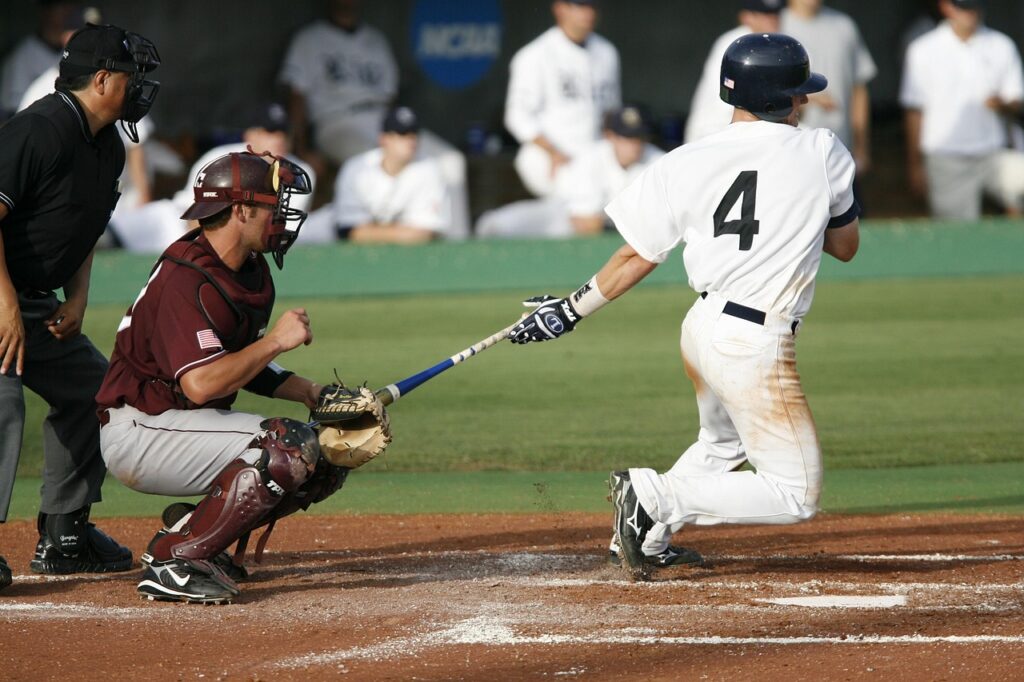
Becoming a baseball umpire usually begins with a simple interest in the game. You enjoy baseball, want to stay involved, and hear that umpires are needed. What often follows is uncertainty.
Am I ready for this. Do I really know the rules well enough. How do I gain confidence behind the plate.
Those questions are normal. Every umpire who continues in the game has asked them at some point. Confidence is not something that shows up overnight. It is built through preparation, education, and experience.
At Behind the Plate Baseball, we work with umpires at every stage of development. From brand new officials to experienced umpires refining their strike zone, the same truth shows up again and again. The umpires who feel the most confident are the ones who prepare before stepping onto the field.
On this page
• Why umpiring feels different than watching the game
• Common challenges new baseball umpires face
• Why early umpire training matters
• How online umpire education supports on-field experience
• How Behind the Plate Baseball supports umpire development
• A clear next step to start your umpire journey
Why Umpiring Feels Different Than Watching the Game
Watching baseball and umpiring baseball are two very different experiences.
From the stands, the game feels controlled and predictable. From behind the plate, everything happens quickly. Pitches arrive faster than expected. Plays develop in seconds. Decisions must be made without hesitation.
This shift catches many new umpires off guard.
The pressure of making correct calls in real time can feel overwhelming at first. There is no pause button and no opportunity to rethink a call once it is made. This is where preparation begins to matter.
Understanding the pace of the game and what to expect helps new umpires feel less reactive and more in control.
Common Challenges New Baseball Umpires Face
Most new umpires do not struggle because they lack effort. They struggle because they are learning multiple skills at once.
Common challenges include maintaining a consistent strike zone, knowing where to position themselves on the field, and timing calls on close plays. Managing conversations with coaches and players is another hurdle that many new umpires are not prepared for.
Knowing the rulebook is important, but applying rules in live game situations takes practice and guidance. Without proper training, umpires often rely on instinct alone, which can lead to inconsistency and frustration.
This is where structured baseball umpire training becomes valuable.
Why Early Umpire Training Matters
There is a common belief that umpires will simply improve through experience alone. While experience plays a role, learning without guidance often reinforces poor habits.
Early training provides a framework. It teaches umpires what to look for, where to be positioned, and how to stay consistent as the game speeds up. Training also helps umpires understand why certain mechanics and positioning matter.
At Behind the Plate Baseball, we see a clear difference between umpires who train early and those who do not. Prepared umpires move with confidence, communicate more clearly, and earn trust faster.
Confidence behind the plate is not about authority. It comes from knowing you are prepared.
How Online Umpire Education Supports On-Field Experience
Many new umpires ask whether online umpire education actually works. When done correctly, it does.
Online umpire training allows officials to learn rules, mechanics, positioning, and game management in a structured environment. It gives umpires the opportunity to study scenarios and understand expectations before facing them in live games.
Online education does not replace on-field experience. It supports it.
Umpires who combine education with real game experience develop faster because they recognize situations instead of reacting blindly. This approach leads to better consistency and less stress during games.
How Behind the Plate Baseball Supports Umpire Development
Behind the Plate Baseball was built around preparation, accuracy, and development. Our focus has always been helping umpires improve confidence and consistency behind the plate.
Through our work with umpire training and TrackMan sessions, we see how preparation and feedback change the way umpires approach the game. We work directly with umpires and understand the challenges they face at every level.
That understanding led us to partner with Umpire Classroom.
Umpire Classroom is an online umpire training platform designed specifically for umpires. It focuses on rules, mechanics, positioning, and game management in a practical and easy-to-understand way.
You can learn more about Umpire Classroom here:
https://www.umpireclassroom.com
Behind the Plate Baseball offers access to this training through our affiliated program so umpires can begin with a strong foundation and continue developing with confidence:
https://www.umpireclassroom.com/offers/KE4egrj7/checkout
This partnership allows us to support umpires both on and off the field.
A Clear Next Step to Start Your Umpire Journey
Starting your umpire journey does not need to feel overwhelming.
A simple path works best. Learn the rules and mechanics in a structured way. Build confidence through education and repetition. Apply what you learn during real games. Continue learning as you gain experience.
This approach helps umpires feel prepared rather than reactive. It also creates a better experience for players, coaches, and fellow officials.
Confidence behind the plate is built long before game day.
At Behind the Plate Baseball, we believe umpires deserve the same level of development as players and coaches. If you are ready to take the first step, structured umpire training is a strong place to begin.
Learn more about umpire training and development at:
https://www.behindtheplatebaseball.com